
Kitchen Layout Mistakes That Hurt Function
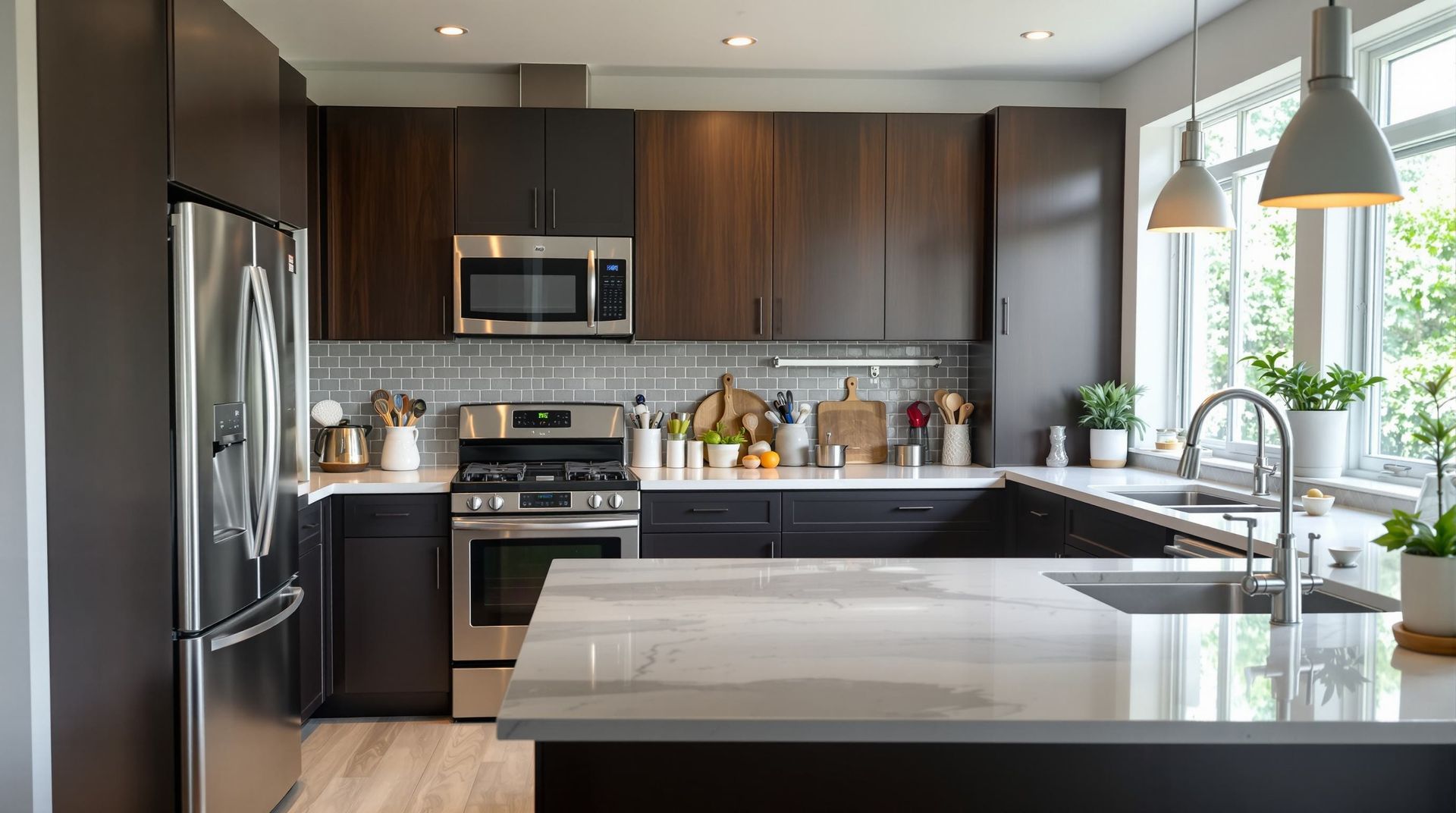
Kitchen Remodeling in Louisville, KY: Layout Tips
Quick Take: Most kitchen frustrations come from layout problems, not outdated finishes. Many Louisville homes built between the 1960s and 1990s simply were not designed for how families cook and move today. A typical kitchen remodel runs about $25,000 to $70,000 and takes 6 to 10 weeks of construction when the layout is planned right from the start.
If your kitchen feels crowded, awkward, or harder to use than it should be, the layout is usually the reason. Many homes around Louisville were built decades ago, and the original kitchen plans simply do not match how families cook, gather, and move today. You might have plenty of space, but if the workflow is off, everyday tasks take more effort than they should.
Ahead, you will see the most common kitchen layout mistakes that hurt function and what to watch for before you remodel. We will walk through work triangle problems, traffic flow issues, cabinet and appliance placement, and the hidden structural limits that can affect your design so you can plan a space that works as well as it looks.
1. Poor Work Triangle Planning
If your kitchen feels like you are constantly walking back and forth, the work triangle may be the issue. The distance between your sink, stove, and refrigerator should usually fall between 4 and 9 feet on each side. Any tighter and the space feels cramped. Any farther and every day cooking turns into extra steps.
We see this a lot in older Louisville kitchens where appliances were replaced over time without rethinking the layout. Maybe the fridge ended up across the room, or the sink and range are packed too close together.
A good layout keeps your main work areas close enough to stay efficient while still giving you room to move. That balance is exactly what professional kitchen design focuses on. When the triangle works, cooking feels smoother, and the whole space just makes more sense.
2. Walkways and Traffic Flow Problems
Clearances matter more than most homeowners expect. You need at least 36 inches for a basic walkway, but working areas usually need 42 to 48 inches so people can pass without turning sideways.
Think about how your household actually uses the kitchen. Someone is grabbing a drink, a kid is looking for a snack, and you are trying to cook at the same time. If your main traffic path cuts right through your prep space, you end up stopping every few minutes.
This is especially common in older Louisville homes with narrow galley layouts or kitchens that were never meant to handle multiple people. A smarter workflow keeps the busy walkways along the edges and protects your main work zones.
When traffic and work areas are separated, the kitchen feels calmer, safer, and a lot easier to live with day to day.
3. Kitchen Islands That Disrupt Function
An island can be one of the most useful features in your kitchen, but only if it actually fits the space. One of the most common layout mistakes is adding an island that is too big for the room.
You should have at least 42 inches of clearance around the island, and more if you plan to add seating. Without that space, the island becomes something you walk around instead of something you use.
Here are a few island problems we see all the time:
- Appliance doors hitting the island or not opening fully
- Not enough room for people to pass behind seated guests
- Tight walkways that make the kitchen feel crowded
- Seating was added without planning for traffic flow
Islands work best when they also add useful storage. Many homeowners improve function by adding drawers, trash pull-outs, or specialty storage inside their kitchen cabinets. When the island supports your daily routine, it becomes the center of the kitchen for the right reasons.
4. Cabinet Placement That Hurts Daily Use
Storage is not just about having enough cabinets. It is about putting things where you actually use them. When cabinet placement is off, you end up walking back and forth across the kitchen for simple tasks.
Storage in the Wrong Places
Think about your routine. Pots and pans should be close to the range. Trash and recycling should sit near your main prep area. If those items are across the room, cooking becomes a lot more work than it needs to be.
We design kitchens around how you move, not just how the cabinets look. When storage follows your workflow, everything feels more natural.
Not Planning for Vertical Storage
Older kitchens often rely on deep shelves where items get lost in the back. Today, tall cabinets, pull-outs, and deep drawers make it easier to see and reach everything.
Choosing the right layout matters just as much as the cabinet style. Well-planned kitchen bath cabinets give you better organization, less clutter, and storage that actually works for everyday life.
5. Appliance Placement Mistakes
Appliances take up a lot of space, and small placement mistakes can create daily frustrations. One of the biggest issues is a refrigerator that opens into a walkway or blocks nearby cabinets.
Dishwashers are another common problem. If the dishwasher is too far from the sink, loading feels awkward. If the door opens into a busy path, people have to step around it during cleanup.
Ovens and ranges need the same kind of planning. An oven door that opens into a tight walkway creates a safety issue and makes the space harder to use when the kitchen is busy.
The goal is simple. Every door should open without blocking movement, and each appliance should support the tasks happening around it. When appliances are placed with workflow in mind, the kitchen feels easier to use from morning to night.
6. Ignoring What’s Behind the Walls
Sometimes the biggest layout challenges are the ones you cannot see. Many Louisville homes built decades ago have older wiring, plumbing, or structural walls that limit what can be moved.
We often find electrical systems that need upgrades or plumbing lines that are not where homeowners expect. Load-bearing walls are another common surprise, especially in brick ranch and mid-century homes.
Looking at these details early helps you avoid delays and unexpected costs later. Our team checks the structure and existing systems during the planning phase so your layout works with the house, not against it.
Layout decisions also affect other areas of your home. If you are updating multiple spaces, coordinating the kitchen plan with services like bathroom design helps everything function better together.
Conclusion
New cabinets and finishes make a kitchen look better, but layout is what makes it work. When your work zones flow, walkways stay clear, and storage supports your routine, the space feels easier and less stressful to use.
Most layout problems come from small decisions made too late in the process. Taking time to think through workflow, traffic patterns, and structural limits early can save you money and frustration later.
Plan Your Kitchen with a Local Team You Can Trust
If your kitchen feels cramped, inefficient, or harder to use than it should be, the layout is the place to start. Small changes in spacing, storage, and workflow can completely change how the space functions day to day. Before you choose cabinets or finishes, it helps to understand what your space can realistically support.
At Cornerstone Kitchen & Bath, we handle the entire process, from in-home measurements and layout planning to detailed design, product selection, and installation. With a local showroom and a trusted network of trade partners, you can see materials in person and move forward with clear plans and pricing. Contact us today!