
How to Plan a Kitchen Remodel Without Costly Mistakes
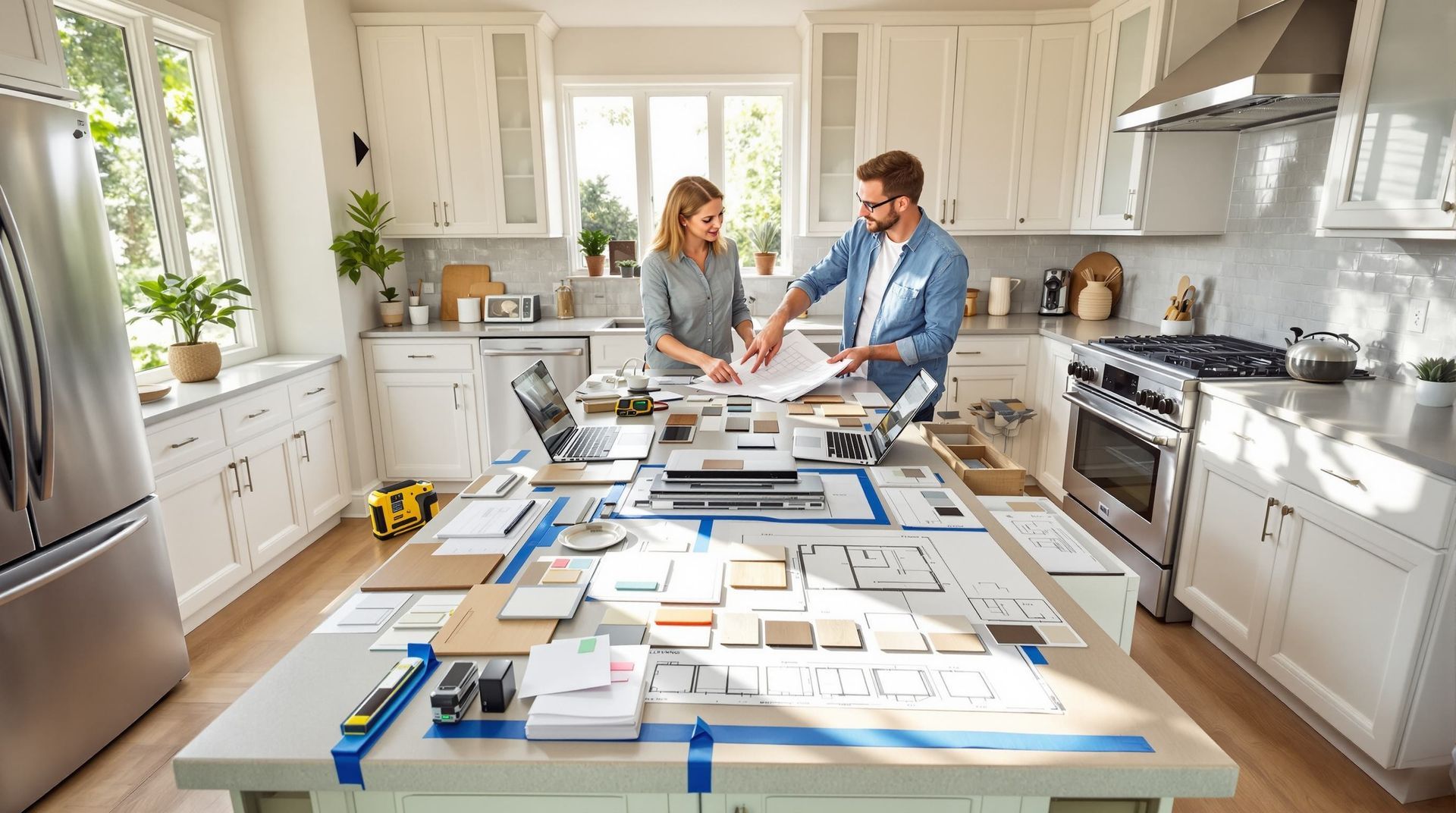
Plan a Kitchen Remodel in Louisville, KY
Quick Take: The best way to avoid costly surprises during a kitchen remodel in Louisville is to plan the details before construction starts. Most projects cost between $25,000 and $80,000 and take about 8 to 12 weeks once work begins. A realistic budget, solid design, and clear timeline will keep your project running smoothly.
A kitchen remodel is one of the biggest upgrades you can make to your home, but it can also feel overwhelming once you start looking at costs, timelines, and endless decisions. Many homeowners jump into selections too quickly, only to run into budget surprises, delays, or layout problems that could have been avoided with better planning. Taking the time to think through the details upfront will save you money, stress, and second-guessing later.
Here is what you will learn as you read. We will walk through how to set a realistic budget, plan your layout, prepare for hidden issues in older Louisville homes, and build a timeline that actually works. You will also see how to manage daily life during construction and what to finalize before the first cabinet is installed.
1. Start With a Realistic Budget and Contingency
When you plan a kitchen remodel, your budget sets the tone for every decision that follows. In Louisville, most kitchen renovations land somewhere between $25,000 and $80,000, depending on size, layout changes, and material choices. Cabinetry is usually the biggest expense, so your choice of kitchen cabinets will have a major impact on the total cost.
It also helps to set aside a contingency fund of about 10 to 20 percent. Many homes in Louisville were built decades ago, and once the walls are opened, surprises are common. You might run into outdated wiring, plumbing that needs to be moved, or framing that needs repair.
Before you get too far into selections, decide what matters most to you. When the budget gets tight, knowing your priorities helps you avoid last-minute upgrades that can quickly push the project over budget.
2. Build a Renovation Checklist Before the Design Phase
Before you start picking colors or scrolling through inspiration photos, take a step back and think about how your kitchen actually works for you. A simple renovation checklist keeps your decisions grounded and makes the design phase much easier.
Start with your daily routine. Do you need more storage, better lighting, or space for more than one person to cook at the same time? Maybe your biggest frustration is limited counter space, crowded walkways, or cabinets that are hard to reach.
Write down your must-haves and your nice-to-haves. Include appliance plans, storage needs, and any layout changes you are considering. When you walk into the design phase with clear goals, you avoid guesswork, speed up decisions, and reduce the risk of ordering mistakes that cost time and money.
3. Focus on Layout During the Design Phase
This is where a lot of homeowners get tripped up. It is easy to focus on finishes, but layout is what determines whether your kitchen actually works day to day.
You want enough space to move comfortably without bumping into corners or appliances. Walkways should allow about 42 to 48 inches between counters, and appliance doors need room to open without blocking traffic. The work triangle between the sink, stove, and refrigerator should feel natural instead of forced.
Working with professional kitchen design helps you catch problems early. We often see oversized islands that crowd the space, refrigerators that block cabinet access, or lighting placed where it does not do much good. Fixing those issues on paper is easy. Fixing them after installation is expensive.
4. Expect Hidden Issues in Older Louisville Homes
If your home was built in the 1960s, 70s, or 80s, it is smart to assume there will be a few surprises once the project starts. Older kitchens were not designed for today’s appliances or electrical needs.
Electrical and Plumbing Upgrades
New appliances often require more power than older systems can handle. You may need additional outlets, updated circuits, or even a panel upgrade. Plumbing lines also get moved frequently when sinks or dishwashers change locations. These updates are normal, but they do add to the budget.
Structural, Moisture, and Ventilation Problems
Once walls come down, contractors sometimes find water damage, poor ventilation, or framing that needs reinforcement. Venting is a common issue in older homes, especially if the original kitchen did not have a proper range hood system.
Permits and inspections may also be required depending on the scope of the work. Building time for these steps into your plan helps you avoid delays once construction is underway.
5. Create a Realistic Project Timeline
Kitchen remodels usually take longer than people expect, especially when materials are involved. Knowing the full timeline upfront helps you plan your schedule and avoid frustration.
The design phase typically takes two to four weeks, depending on how quickly you make decisions. Ordering cabinets, countertops, and specialty items can take four to ten weeks or more. Once everything arrives, the construction phase usually lasts 6 to 10 weeks for a full remodel.
Contractor availability also plays a role. Good crews in Louisville often book several weeks out, especially during busy seasons. We always suggest locking in your contractor early and confirming material lead times before choosing a start date. A realistic timeline keeps the project from feeling rushed or chaotic.
6. Plan for Life During the Remodel
The part most homeowners underestimate is how disruptive a kitchen remodel can be. You will be without your main cooking space for several weeks, so a little planning goes a long way.
Set up a temporary kitchen in another area of your home with:
- A microwave, toaster oven, or slow cooker
- A small refrigerator or cooler
- Disposable plates and utensils
- A basic coffee and snack station
Expect dust, noise, and contractors moving in and out during the day. Deliveries and equipment may also affect parking or access, especially in older Louisville neighborhoods.
If you are thinking about updating other spaces soon, it may make sense to coordinate projects. Planning ahead for things like bathroom design can save you from going through multiple rounds of disruption.
7. Get Detailed Plans and Scope Before Construction
One of the biggest mistakes homeowners make is starting construction before every detail is finalized. Vague estimates or incomplete plans almost always lead to change orders, delays, and unexpected costs.
Make sure your proposal includes itemized pricing, material selections, and a clear scope of work. Review cabinet layouts, appliance locations, lighting plans, and finish choices carefully. Storage planning is especially important, and looking at options for kitchen and bath cabinets early helps you avoid last-minute changes.
We always recommend reviewing renderings and physical samples before placing orders. When everyone agrees on the plan ahead of time, installation moves faster, and the final result looks the way you expected.
Conclusion
When you plan a kitchen remodel, most of the success comes down to the decisions you make before any work starts. A realistic budget, a smart layout, and a clear timeline will help you avoid the problems that usually show up mid-project. When you take time to think through the details early, you spend less time dealing with surprises and last-minute changes later.
That kind of planning matters even more in Louisville, where many homes come with older wiring, plumbing, or structural quirks. The more you sort out upfront, the smoother the project will feel once construction begins. In the end, a good remodel is not just about how the kitchen looks. It is about creating a space that works for your daily routine without the stress of unexpected costs or delays.
Ready to Start Planning Your Kitchen?
If you are thinking about a remodel, the best next step is to talk through your goals, budget, and timeline with a professional team. Our designers help homeowners plan smart layouts, choose materials that fit their lifestyle, and avoid the costly mistakes that often happen when projects move too quickly.
Schedule a consultation to explore your options, review design ideas, and build a plan that works for your home and your budget. A little guidance at the beginning can make the entire remodeling process smoother, faster, and far less stressful. Contact us today!