
Storage-First Kitchen Design for Modern Homes
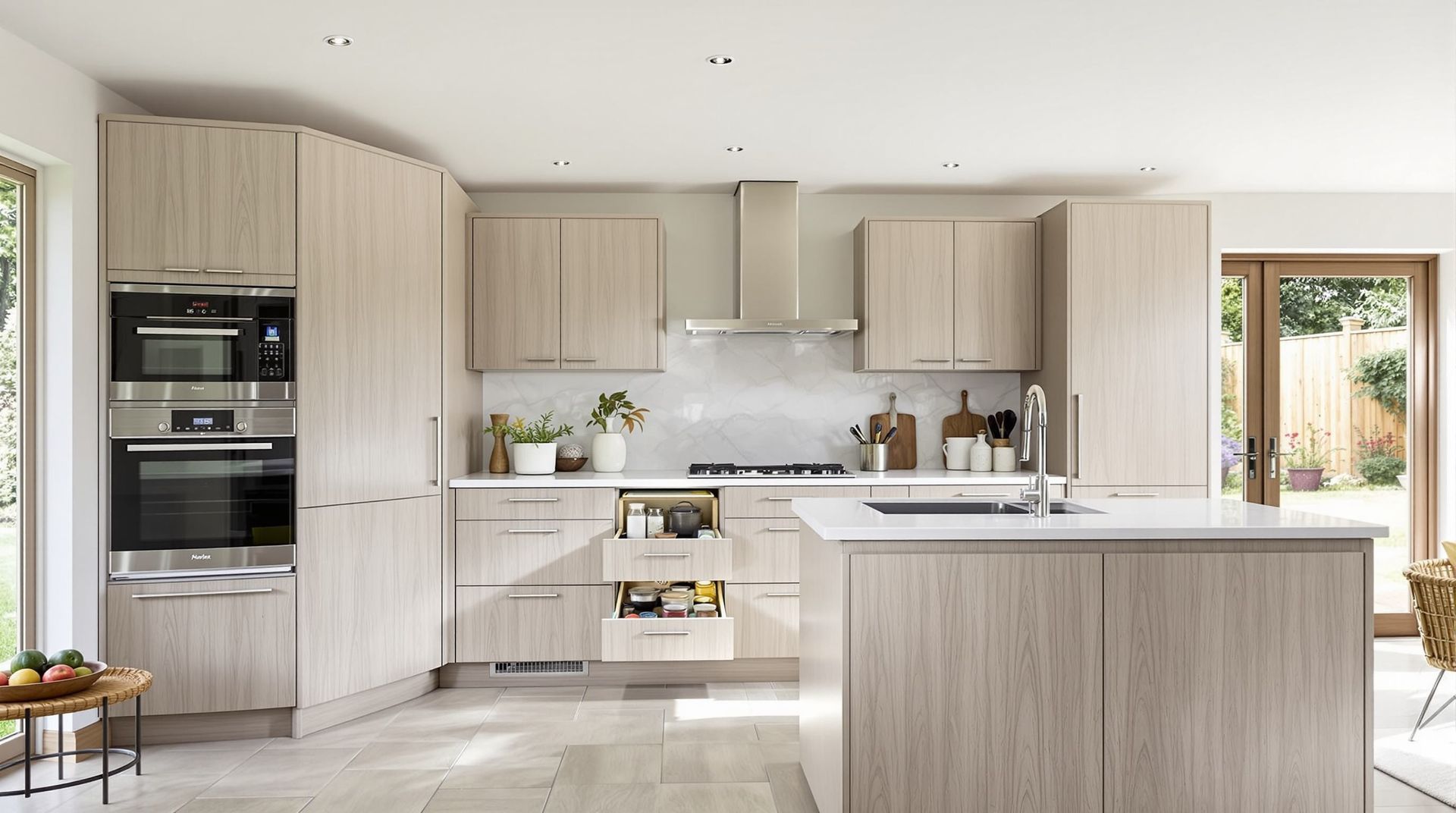
Kitchen Remodeling in Louisville, KY: Storage Design
Quick Take: A storage-first design builds the right cabinets, pantry space, and layout around how you actually live, so clutter does not take over. In Louisville, most kitchen projects focused on storage and cabinetry run about $25,000 to $70,000+ and take roughly 6 to 10 weeks once construction begins. The earlier you plan storage, the smoother the project and the better the long-term results.
If your kitchen always feels crowded, the problem usually is not the size. It is storage. Counters fill up, cabinets get packed, and you end up moving things around just to make a meal. A lot of Louisville homes built in the 60s through the 90s were not designed for today’s cooking habits, bulk grocery runs, or all the small appliances most families use.
Why Storage Should Drive Your Kitchen Layout
Most people start a remodel by thinking about finishes, but storage should really come first. If the layout does not match how you cook, clean, and put things away, even a brand-new kitchen can feel cramped pretty quickly.
A good plan starts with your routine. Everyday dishes should be close to the dishwasher. Pots and pans belong near the cooktop. Pantry items should sit within easy reach of your prep area. You also need enough space to move around comfortably. We usually plan for 42 to 48 inches between work zones so drawers and pull-outs can open without blocking traffic.
In many older Louisville kitchens, the footprint is tight. That means you have to be smart about using vertical space, reclaiming corners, or shifting appliances to create more storage without making the room bigger. Our team looks for those opportunities early so the layout works harder for you.
Once the layout supports how you actually use the space, the next step is choosing cabinet features that make every inch count.
Cabinet Features That Maximize Every Inch
Basic shelves look fine on paper, but they waste space and make it hard to reach anything stored in the back. The right upgrades turn standard cabinets into something that actually keeps you organized.
Here are features we recommend when it comes to kitchen cabinets:
- Pull-out shelves so heavy cookware and appliances slide out instead of getting buried
- Deep drawer stacks that hold pots, lids, and containers better than fixed shelves
- Built-in spice racks near the cooking area so you are not digging through a cabinet mid-recipe
- Vertical dividers for baking sheets, trays, and cutting boards
- Hidden storage for trash, recycling, or small appliances you want off the counter
- Full-height cabinets that go to the ceiling and use space that usually gets wasted
These upgrades do not add as much cost as people expect, but they make a big difference in how your kitchen works every day.
Once your cabinets are doing their job, the next piece of the puzzle is pantry space that fits the way you shop and cook.
Pantry Organization That Works for Real Life
Most pantry problems come down to visibility. If shelves are too deep, things disappear in the back, and you end up buying duplicates or throwing food away.
A better approach is to keep everything within sight. Shelves that are about 10 to 14 inches deep work well because you can see what you have without digging. In smaller kitchens, a tall pull-out pantry cabinet can give you a surprising amount of storage. Larger spaces benefit from simple zones for snacks, baking supplies, canned goods, and bulk items.
We also plan for how people actually shop now. Many Louisville homeowners buy in bulk or keep small appliances in the pantry. Sometimes adding just one extra cabinet run or extending a pantry wall solves storage problems throughout the whole house.
Good lighting matters too. A small LED strip can make a big difference and keep food from getting forgotten in dark corners.
Once your food storage is under control, the island becomes the next opportunity to add space where you will use it most.
Smart Island Storage Most Homeowners Overlook
The island usually ends up being the busiest spot in the kitchen, but many designs treat it like an afterthought when it comes to storage. With the right planning, it can take pressure off your main cabinets.
Deep drawers on the working side are great for mixing bowls, utensils, and food containers. On the seating side, you can add shallow cabinets or hidden compartments for placemats, serving pieces, or seasonal items without getting in the way of stools.
We also plan for things that usually clutter the counters. Microwave drawers, charging stations, or small appliance storage keep essentials nearby but out of sight. For families, a snack or lunch drawer in the island can keep kids out of the main prep zone.
Spacing still matters. You want at least 42 inches of clearance around the island so people can move comfortably while drawers are open.
Before you lock in these details, it helps to understand the storage problems we see most often during kitchen remodeling projects.
Common Storage Mistakes We Fix in Louisville Homes
Even kitchens that look well planned can run into problems if a few key details get missed. In older Louisville homes especially, the original layout often does not match today’s storage needs. These are the issues we catch early so they do not turn into daily frustrations later.
Wasted Vertical Space
Many kitchens stop cabinets well below the ceiling. Extending them upward can add 10 to 20 percent more storage and eliminates that dust-collecting gap above.
Not Enough Deep Storage
Large pots, slow cookers, and small appliances do not fit well on standard shelves. Adding deeper drawers or dedicated zones makes these items easier to store and access.
Ignoring What’s Behind the Walls
Older homes often come with outdated wiring, plumbing, or uneven surfaces. If you do not account for those early, cabinet layouts may need to change during construction.
Designing for Right Now Only
Storage needs grow over time. Planning flexible spaces now helps your kitchen stay functional as your routine changes.
Catching these issues early makes it much easier to plan your budget and timeline realistically.
What Storage-First Design Means for Budget and Timeline
Cabinetry usually makes up the biggest portion of a kitchen remodel, often around 30 to 40 percent of the total cost. In Louisville, a storage-focused project typically falls between $25,000 and $70,000 or more depending on cabinet quality, layout changes, and specialty features.
Timing is another factor to plan for. Custom and semi-custom cabinets often take 4 to 8 weeks to be built, and installation plus finishing work usually adds another 2 to 3 weeks. Most homeowners end up setting up a temporary kitchen during that time, which we help plan so daily life stays manageable.
Our team finalizes layouts, storage features, and measurements before anything gets ordered to avoid delays or last-minute changes. That same planning approach also helps if you are thinking about larger kitchen and bath remodeling projects or want your kitchen to coordinate with future bathroom design updates.
When storage is planned carefully from the beginning, the whole project tends to run smoother and the results hold up long after construction is finished.
Conclusion
A kitchen might look great when it is new, but storage is what makes it work long term. When your cabinets, pantry, and island are designed around how you actually live, the space feels easier to manage and clutter stays under control.
If you are thinking about updating your kitchen, start by looking at your daily routine and where things tend to pile up. Our team works with Louisville homeowners to turn those habits into practical storage plans, realistic budgets, and clear timelines so your remodel feels just as good to use as it does to look at.