
Why Professional Kitchen Design Improves Remodeling Results
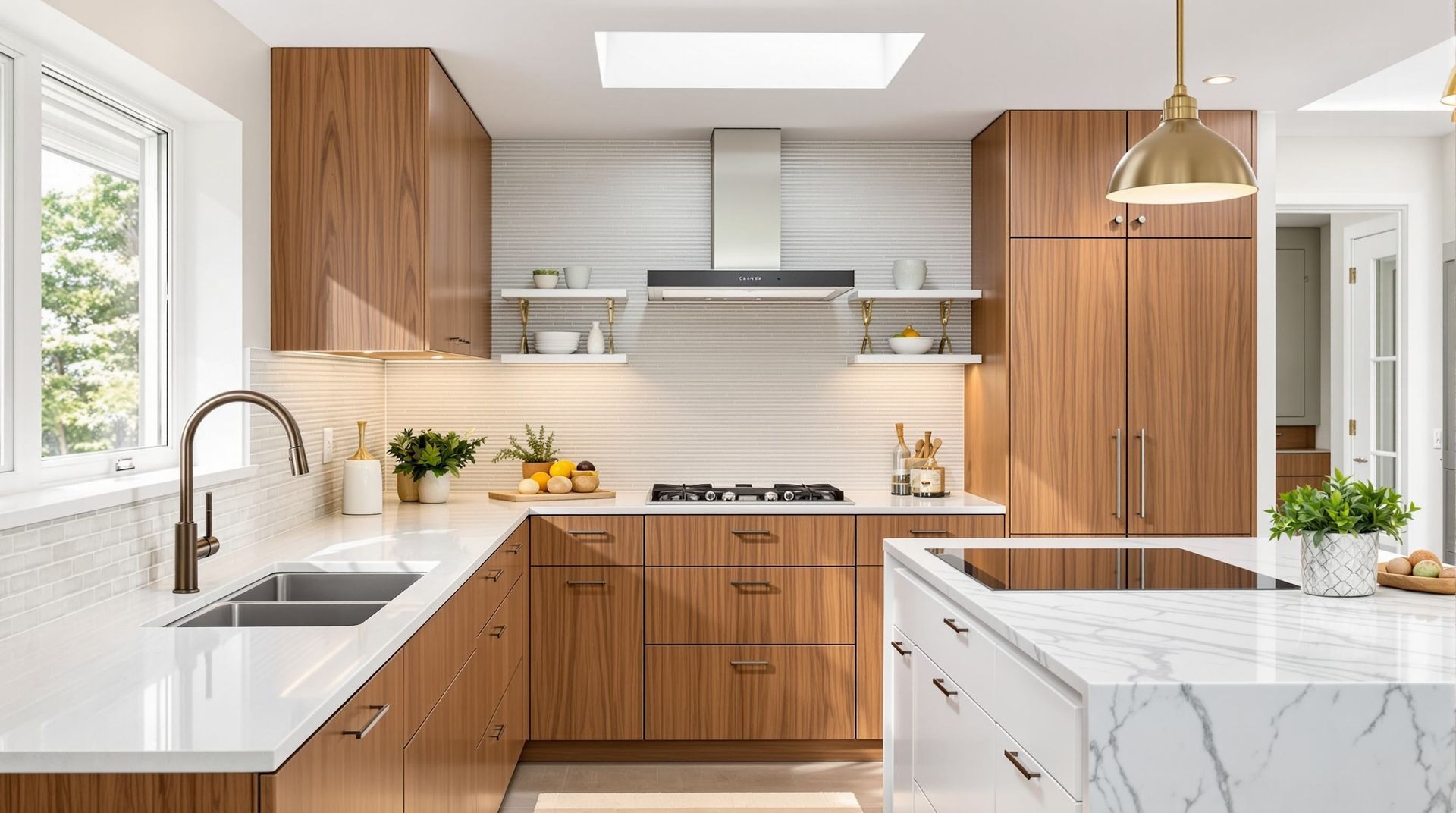
Professional Kitchen Design in Louisville, KY
Quick Take: Professional kitchen design helps Louisville homeowners avoid layout mistakes, manage costs, and plan for hidden issues before construction begins. Most local remodels range from $25,000 to $80,000 or more and take about 6 to 10 weeks of construction when the project is properly planned. Doing the design work upfront reduces delays, change orders, and expensive surprises later.
Most kitchen remodels start with a few ideas, a rough budget, and the hope that everything will come together once construction begins. The truth is, the results you get usually depend on how much planning happens before anyone picks up a tool. Professional kitchen design focuses on layout, storage, and real life use so the space works the way you need it to every day.
If you’re thinking about updating your kitchen, it helps to understand what happens during the design phase and why it makes such a big difference. You’ll see how professional planning improves workflow, keeps costs under control, helps avoid surprises in older Louisville homes, and makes the whole remodel process smoother from start to finish.
Why Professional Floor Plans Prevent Expensive Mistakes
A kitchen has to handle a lot of activity, often with more than one person moving around at the same time. Good design starts with the basics, making sure there’s enough space to walk, open doors, and work comfortably. Most layouts aim for 42 to 48 inches between counters and keep the sink, range, and refrigerator within a 4 to 9 foot work triangle so everything feels efficient.
Without careful planning, small issues turn into daily frustrations. The refrigerator door hits the island, the dishwasher blocks the walkway, or two people can’t pass each other without turning sideways. Fixing problems like that after cabinets are ordered usually means delays and added costs.
We look at how you actually use your kitchen, where people gather, and how traffic moves through the space. That kind of planning is one of the biggest reasons professional design leads to better results in kitchen remodeling projects.
Once the layout works, the next step is making sure the kitchen supports your storage needs and daily routines.
Better Workflow and Storage Start With Design
Smart storage planning isn’t just about adding more cabinets. The goal is to organize the space around how you cook, clean, and move through the kitchen so everything is where you expect it to be.
1. Storage Zones That Match Daily Habits
Instead of spreading items throughout the kitchen, professional design groups things into zones. Prep tools stay near the main work area, dishes go close to the dishwasher, and pantry items are easy to reach without crossing the room. When everything has a logical place, the kitchen feels easier to use and less cluttered.
2. Cabinet Planning Beyond Style
It’s easy to focus on cabinet color and door style, but the inside matters just as much. Deep drawers for pots, pull out shelves for small appliances, and built in trash storage make everyday tasks simpler. Cabinet height and depth can also be adjusted so the space fits your ceiling and your reach.
3. Materials That Hold Up Over Time
Louisville homes deal with humidity changes and busy households, so durability matters. We help you weigh options and choose kitchen cabinets that balance appearance, maintenance, and long-term value.
When storage and materials are planned around real-life use, the kitchen works better day after day. The next step is helping you see how everything will actually look together.
How 3D Renderings Remove the Guesswork
Even detailed drawings can be hard to picture, especially when you’re choosing colors, finishes, and lighting. Three-dimensional renderings let you see your kitchen before anything is ordered, which makes decision-making a lot easier.
With a rendering, you can check cabinet and countertop combinations, confirm that the island size feels right, and see how lighting and windows affect the space. Many homeowners end up making small adjustments at this stage, and that’s a good thing because changes on a screen are simple and inexpensive.
Renderings also help everyone stay on the same page. Installers and trade partners know exactly what the finished kitchen should look like, which reduces confusion once construction starts.
Once the design is clearly visualized, it becomes much easier to build a realistic budget around it.
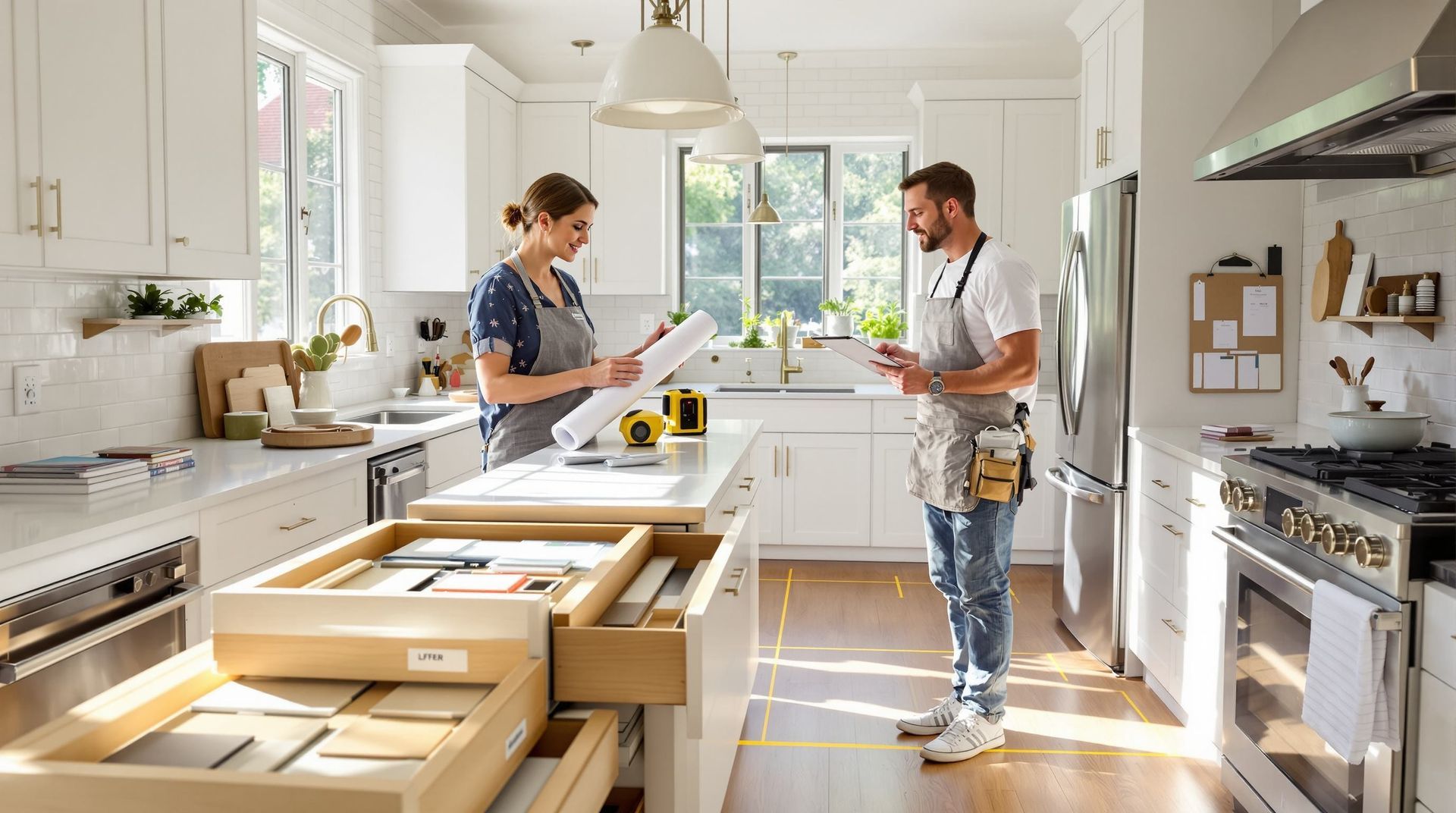
Budget Control Happens During the Design Phase
One of the biggest benefits of professional kitchen design is cost clarity. Instead of working from rough estimates, the budget is built using actual cabinet quantities, material choices, and layout details. That gives you a much better idea of the real project cost before construction begins.
Making decisions early also helps avoid mid-project changes, which are one of the main reasons remodels go over budget. When something changes after work has started, it can affect labor schedules, material orders, and installation timing.
Lead times matter too. Cabinets often take four to eight weeks to arrive, and specialty materials can take longer. Planning ahead through kitchen and bath remodeling coordination helps keep everything moving so your kitchen isn’t out of service longer than necessary.
Even with a solid budget, older homes sometimes come with hidden issues that need attention.
Hidden Issues in Older Louisville Homes
Many homes around Louisville were built decades ago, and kitchens often need more than cosmetic updates. A careful design review helps spot potential problems early so they don’t turn into surprises during demolition.
1. Electrical and Plumbing Updates
Older kitchens may not have enough outlets for modern appliances, and wiring or plumbing lines may need to be upgraded to meet current standards. Identifying these needs ahead of time allows the work to be planned instead of handled as an emergency.
2. Structural and Layout Limits
Opening up walls, adding a large island, or changing the layout can affect structural support. Designers look at these possibilities early so the project scope and budget reflect what’s actually required.
3. Permits and Local Requirements
Permitting and inspections vary across Louisville and surrounding counties. Planning for those steps early helps avoid delays that can slow down construction.
Once potential issues are accounted for, the project timeline becomes much more predictable.
Professional Design Keeps Your Project on Schedule
A well-planned design creates a clear path from ordering materials to final installation. Cabinets, countertops, and appliances are scheduled so they arrive when they’re needed, not weeks too early or too late.
Good coordination also helps you prepare for the reality of living through a remodel. Most homeowners will be without a working kitchen for several weeks, so avoiding last minute changes makes a big difference in how long the disruption lasts.
Our team builds a timeline that accounts for production, delivery, and installation so each step flows into the next. The same planning approach helps if you’re thinking ahead to other projects, such as bathroom design.
When layout, budgeting, and scheduling all come together during design, the construction phase tends to move much more smoothly.
Conclusion
Professional kitchen design is really about solving problems before they happen. It helps you avoid layout issues, control costs, plan for older home conditions, and move into construction with a clear plan instead of a long list of decisions.
For many Louisville homeowners, the time spent in the design phase makes the entire remodel less stressful and far more predictable. When the planning is done right, the construction phase becomes a process of execution rather than constant adjustments.
Start Your Project With a Plan That Works
Are you planning a kitchen and bath remodeling? Contact us today! The process starts with a free in-home consultation, followed by detailed floor plans, 3D renderings, and clear pricing before you commit to moving forward.
You can visit the showroom to compare cabinetry, countertops, hardware, and finishes, and even take samples home to see how they look in your space. From planning through installation, our team coordinates the details and works with trusted local trade partners so your project stays organized and on track.