
Kitchen Remodeling for Older Homes
Kitchen Remodeling for Older Homes in Louisville, KY
Quick Take: Kitchen remodeling for older homes in Louisville often includes electrical, plumbing, or structural upgrades before the cosmetic work begins. Most projects land between $30,000 and $80,000 and take about 6 to 10 weeks of construction once materials arrive. The more you plan upfront, the smoother the project tends to go.
If you own an older home in Louisville, you already know the appeal. Solid construction, real wood details, and a layout that feels established and comfortable. The kitchen, though, is usually where the age shows first. Storage is tight, lighting is dim, and the space just does not work the way you need it to anymore.
Updating an older kitchen is not just about picking new cabinets and countertops. You need to think about what might be behind the walls, how to keep the character of the home, and what changes will actually make daily life easier. Below, you will see what to expect, what costs and timelines look like around Louisville, and how to plan the project so there are fewer surprises along the way.
Why Older Louisville Kitchens Need a Different Game Plan
Most Louisville homes built from the 1940s through the 1980s were designed for a different way of living. Smaller appliances, less counter space, and closed off rooms were the norm. Today, you probably want more storage, better lighting, and a layout that lets people move around without bumping into each other.
Older homes also come with physical limits. Some walls you want to remove may be load bearing. Floors may not be perfectly level. Framing may not match modern cabinet sizes. Keeping the home’s structural integrity while making it more functional takes careful planning, not guesswork.
Then there is the style question. Even if your home is not officially historic, you probably want the kitchen to feel like it belongs. The goal is to improve the space without making it look like it came from a completely different house.
Before you settle on a layout or design, it helps to understand what you might run into once the demo starts.
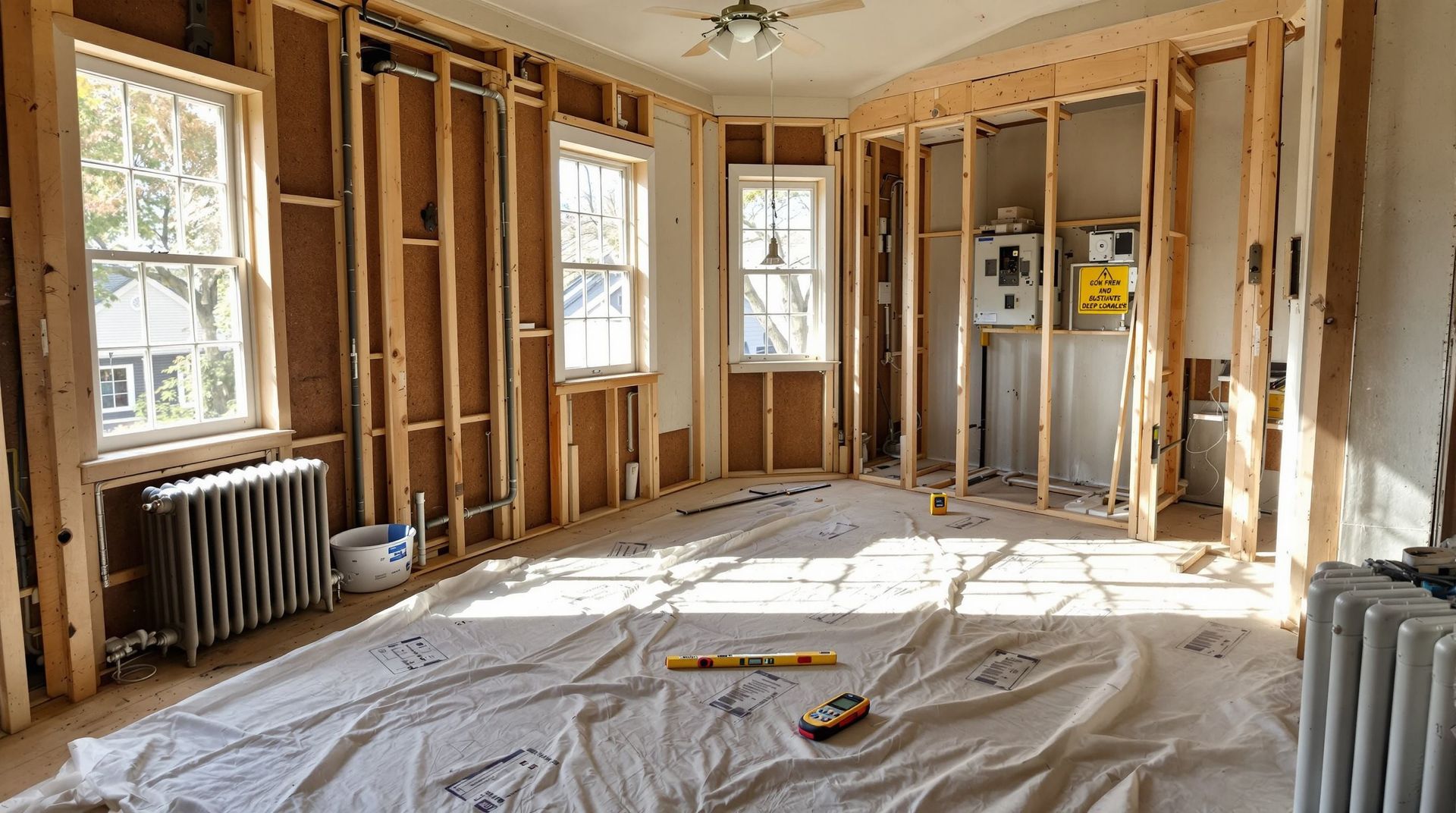
What Might Be Hiding Behind the Walls
This is where older homes tend to surprise people. Everything can look fine on the surface, but once cabinets come out, you may find issues that need attention.
Electrical Upgrades
A lot of older homes still run on 60 to 100 amp service. That is not enough for today’s kitchens. Modern layouts usually need dedicated circuits for major appliances, more outlets along the counters, and safety protection to meet current code. Panel upgrades and new wiring are very common in Louisville remodels.
Plumbing Concerns
If your home still has galvanized pipes or older drain lines, this is the time to replace them. Low water pressure, slow drains, or small leaks often show up once walls are opened. Fixing plumbing now is much easier than tearing into a finished kitchen later.
Structural Issues
It is not unusual to find floor sag, past DIY changes, or hidden water damage. Taking care of these problems early keeps your new cabinets and countertops from shifting or failing down the road.
Once the systems and structure are solid, you can focus on making the space work better day to day.
Making Small or Closed Kitchens Work Better
A lot of older kitchens feel boxed in. Opening a wall can help, but if that wall is load bearing, you may need a beam and additional engineering. That adds cost, so it is worth deciding whether the change will really improve how you use the space.
Storage is usually the biggest frustration. Taller cabinets, deep drawers, and smarter interior organizers can make a small kitchen feel twice as functional. Well planned kitchen cabinets often solve more problems than expanding the footprint.
Layout matters just as much. You want about 42 to 48 inches between counters so two people can move comfortably. Sometimes simply shifting the refrigerator or range makes the whole room feel easier to use. A thoughtful kitchen remodeling plan focuses on workflow first, then builds the design around it.
Once the layout works, you can turn your attention to keeping the character of the home.
Keeping the Vintage Feel While Updating the Space
One of the biggest concerns homeowners have is losing the personality of an older house. The good news is you can modernize the kitchen without making it feel out of place.
Here are a few ways to balance historic character with everyday function:
- Cabinet styles like Shaker or inset doors that match traditional architecture
- Wood tones or subtle quartz patterns instead of bold, trendy surfaces
- Layered lighting so the space is brighter but still warm
- Classic hardware finishes such as brushed brass or matte black
- Hidden upgrades like soft close drawers, undercabinet outlets, and better ventilation
When you take this approach, the kitchen feels updated but still connected to the rest of the home.
After the design direction is clear, the next step is setting realistic expectations for budget and timing.
What Older Home Projects Really Cost and How Long They Take
Older homes usually cost more to remodel than newer ones, mainly because of the unknowns behind the walls. Around Louisville, most kitchen projects fall between $30,000 and $80,000 depending on size, materials, and how much electrical, plumbing, or structural work is needed.
Cabinet lead times often run six to ten weeks, and permits can add time depending on your municipality. That is why the full process, from design through completion, usually takes three to four months.
It also helps to plan a contingency. We usually suggest setting aside an extra 10 to 20 percent of your budget. That way, if something unexpected comes up, you can handle it without scrambling.
During construction, many homeowners set up a temporary kitchen in a dining room, basement, or garage to keep daily life manageable.
Because there are more moving parts in older homes, having a clear plan before construction makes a big difference.
Why Planning Everything First Saves You Trouble Later
With older homes, surprises are expensive. A design first approach helps you catch potential problems before materials are ordered or walls come down.
Our team focuses on three key steps:
- An in home visit to measure the space and look for potential issues
- A detailed design so you can see the layout, materials, and full pricing upfront
- Coordinated installation with trusted local electricians, plumbers, and contractors
This kind of planning keeps the timeline realistic and helps you avoid last minute changes. Many homeowners also take the opportunity to plan broader kitchen and bath remodeling projects at the same time. If you are updating multiple spaces, professional bathroom design services can help keep everything consistent throughout the house.
Once the details are worked out ahead of time, the construction phase tends to go much more smoothly.
Conclusion
Remodeling an older kitchen is a little more involved than updating a newer home, but the results are worth it. When you address electrical capacity, structural stability, and layout issues early, you end up with a space that works better and lasts longer.
The best projects keep the home's character while quietly adding the comfort and function you need every day.
If your Louisville kitchen is starting to show its age, the first step is simply getting a clear picture of what is possible. At Cornerstone Kitchen & Bath, we work with homeowners every day to plan updates that fit older homes, realistic budgets, and real-life schedules.
From the first consultation through installation, you are working with a local team that understands Louisville homes and the surprises that sometimes come with them.